

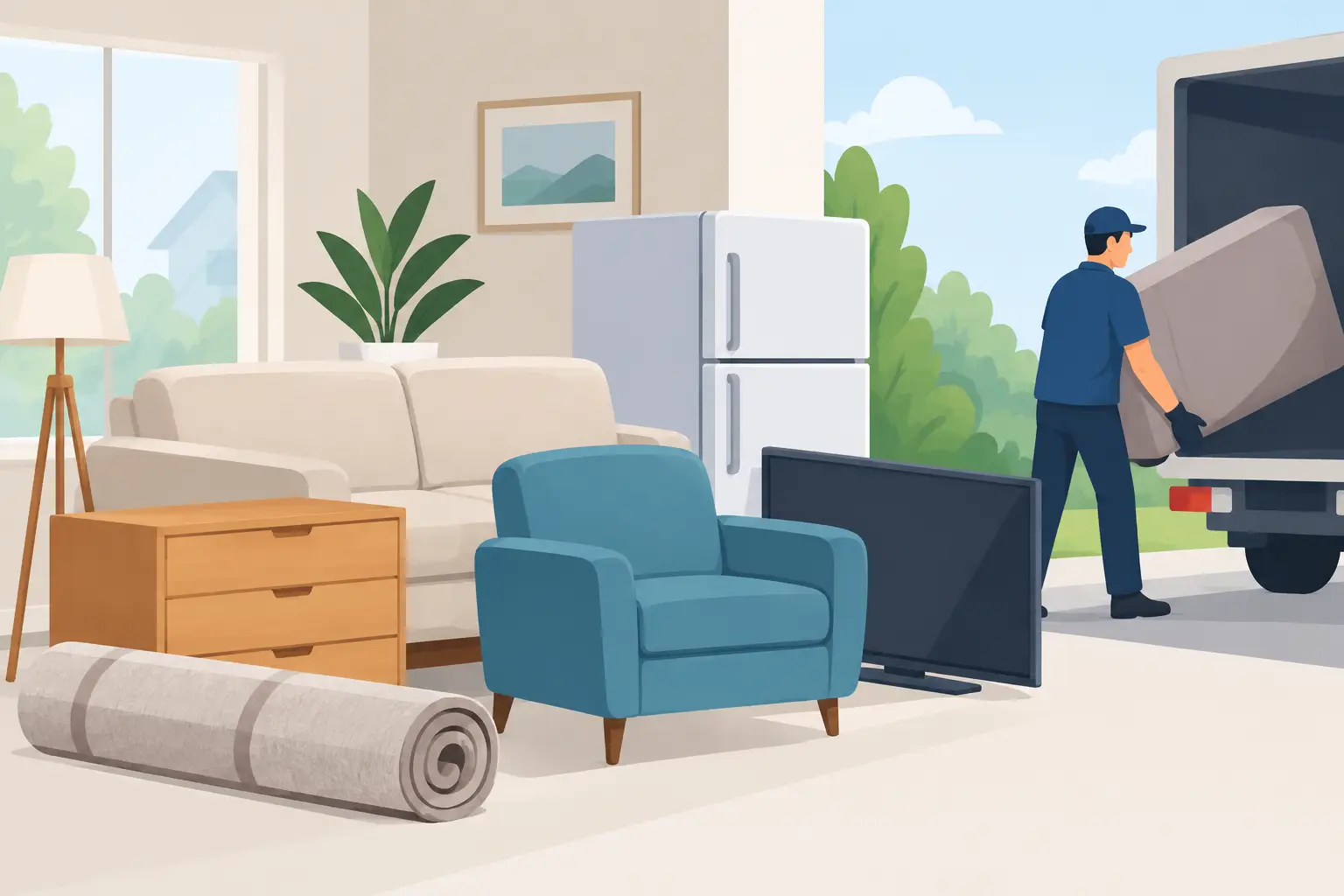
A broken wardrobe, an old mattress or a pile of shed contents can take up far more room than expected. The best options for bulky waste depend on what you need gone, how quickly you need it removed and whether you can move it yourself. For most households, the right choice comes down to balancing cost, convenience and the amount of lifting you are prepared to do.
Bulky waste is not something to leave at the kerb or squeeze into a normal wheelie bin. Large household items need to be handled properly, and some materials have separate disposal rules. A little planning means less disruption, no wasted trips and a clearer home or garden sooner.
Bulky waste usually means household items that are too large for regular bin collections. This can include sofas, armchairs, beds, mattresses, wardrobes, tables, white goods, garden furniture, bicycles, carpets and large toys. It can also cover the contents of a shed, garage or loft when there is simply too much for a few black bags.
The item itself matters. A clean wooden table is different from a fridge, and a mattress is different from a bag of old clothes. Fridges and freezers contain components that need specialist treatment, while paint, chemicals, gas bottles, asbestos and other hazardous materials should never be mixed into a general rubbish collection or skip without checking first.
There is no one answer for every clear-out. If an item is still useful, passing it on may be the best route. If you have a full room to empty before decorating, a skip or collection service will usually save a great deal of time.
Before arranging disposal, look at whether the item has a second life. Furniture in good, safe condition may be useful to a local charity, neighbour or buyer. Children’s bikes, garden furniture and working appliances can often be collected by someone else if they are clean, complete and honestly described.
This is often the lowest-cost option, but it is not always the quickest. Collection times can be uncertain, and some charities cannot take upholstered furniture unless it carries the required fire safety label. If you are working to a moving date, a landlord inspection or the start of building work, waiting for a taker can create more hassle than it solves.
Many councils offer a booked service for large household items. It can be a sensible choice when you only have one or two accepted items and are happy to work around the available collection date. Fees, item limits and collection rules vary by council, so check what is included before booking.
You will normally need to place items in an agreed location, often outside your property, by a stated time. That can be awkward with heavy furniture, especially if access is limited or you do not want items sitting outside for several days. Council services may also refuse certain waste types or charge extra for additional pieces.
A recycling centre can work well if you have a suitable vehicle, can lift the waste safely and only have a manageable load. It gives you control over the timing and may allow recyclable materials such as wood, metal, cardboard and green waste to be separated correctly.
The trade-off is the work involved. A sofa, wardrobe or stack of renovation waste can mean several trips, loading and unloading, plus checking site rules in advance. Some sites have booking requirements, vehicle restrictions or limits on particular materials. It is a practical option for smaller jobs, but rarely the easiest answer to a full clear-out.
For many households, a collection service is the straightforward option when bulky waste is already piled up, access is tight or there is too much to fit in a car. A team can remove items from where they are stored, load them and take them away, so you do not need to hire a van, visit the tip or handle heavy lifting alone.
This approach is particularly useful after clearing a garage, emptying a rented property, replacing furniture or stripping out a shed. It also suits mixed loads – for example, an old bed, broken chairs, bagged rubbish, timber offcuts and garden clutter – provided the waste has been agreed in advance.
Ask for a clear quote based on the amount and type of waste. Photos can help a local operator assess the job properly and avoid surprises on the day. Use an Environment Agency licensed carrier, and do not be tempted by an unlicensed collector offering a very cheap cash deal. If waste is fly-tipped, the person who arranged its removal can still face the consequences.
Box Rubbish Removal provides local, booked collections across Sudbury, Colchester, Hadleigh, Ipswich and Bury St. Edmunds for household junk, garden waste, shed contents and general clearance jobs. It is a good fit when you want the waste removed without making repeated trips or dealing with a large national provider.
Skip hire makes sense when waste will build up over several days. If you are renovating a kitchen, clearing a garden, taking down a shed or sorting a property room by room, having a skip on site gives you somewhere to put materials as you go.
It is often more convenient than booking several separate collections, but only if you have enough space and the waste is suitable. Think about access before you book: can a lorry safely drop and collect the skip, and is there a clear area on your drive or private land? A skip kept on private property can avoid the complications that may come with placing one on the road, where a permit may be needed.
Do not overfill a skip. Waste must sit below the rim for safe transport, and certain items cannot be accepted. These commonly include asbestos, gas bottles, tyres, batteries, paint, solvents, oils, electrical items and fridges or freezers. If you are unsure, ask before the skip arrives rather than finding out at collection time that something must be removed.
Start with the size of the job. One unwanted armchair may suit a council collection or a recycling-centre trip. A room full of furniture is likely to be easier with a rubbish removal collection. Waste created gradually during DIY work is often better suited to skip hire.
Next, consider access and labour. If the items are upstairs, in a narrow side passage or too heavy to move safely, paying for collection can be better value than risking an injury or spending a weekend struggling with a hired van. Equally, if you have room on a drive and a steady flow of non-hazardous building waste, a skip can keep the job tidy.
Finally, check what you are throwing away. Separate donation items from rubbish where possible. Keep hazardous materials aside, and tell the provider about anything unusually heavy, such as soil, rubble or paving slabs. Clear information helps you get the right service, vehicle or skip size first time.
A few simple steps can make collection day easier. Empty drawers, cupboards and appliances, and remove personal documents from furniture. If a wardrobe or bed frame can be safely dismantled, it may be easier to move through the house and take up less space in the load.
Keep access routes clear and make sure pets are safely out of the way. If items are being collected from outside, protect them from heavy rain where possible and avoid blocking pavements, driveways or neighbours’ access. For any item with sharp edges, broken glass or loose parts, point this out when booking.
Bulky waste does not have to turn into a long, frustrating job. Choose the option that fits the size of the load, the time you have and the level of lifting you want to take on, then get it booked and make space for what comes next.

Do you need a reliable local rubbish clearance and/or skip hire company in Sudbury or Colchester? Then you’re in the right place.

